Forests
Overview
Promoting science-based management of Washington’s state and private forests for ecological, social, and economic benefits.
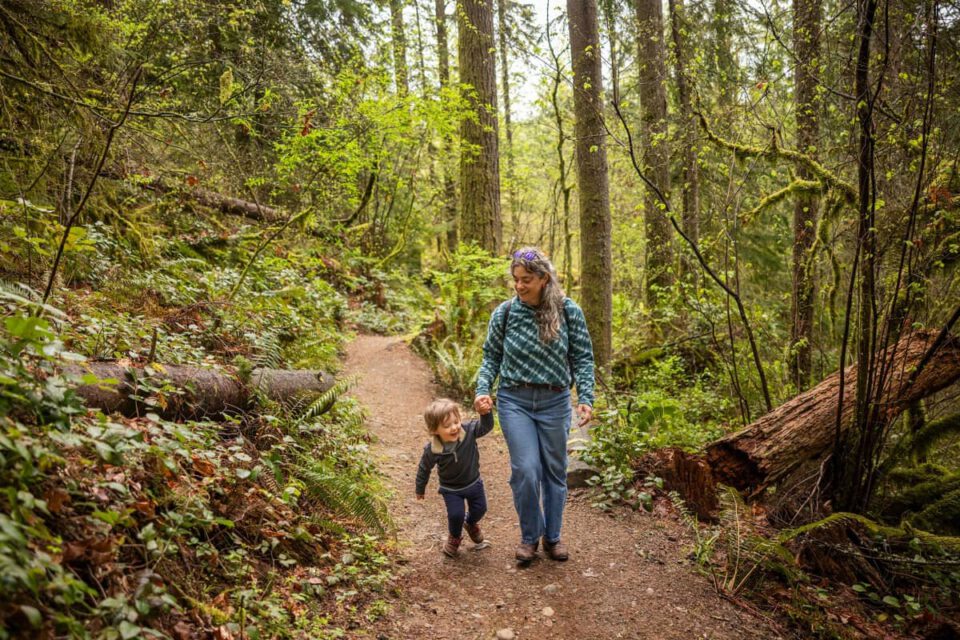
Washington Conservation Action works toward a future where our forests are valued and managed holistically — not just for timber revenue, but also for the carbon they store, the habitat and clean water they sustain, and the cultural value they hold. Maintaining balance between economic and ecological interests takes decades of sustained effort — and a vision spanning decades further still.
We partner with conservation and environmental justice organizations, Tribal governments, technical experts, elected officials, state agencies, and the building and forest products industry to shape forest policy — using legislation, litigation, coalition building, and advocacy to enforce that policy, hold decision-makers accountable, and conserve forests for future generations.
Key Issues
Science-Based Logging Regulations
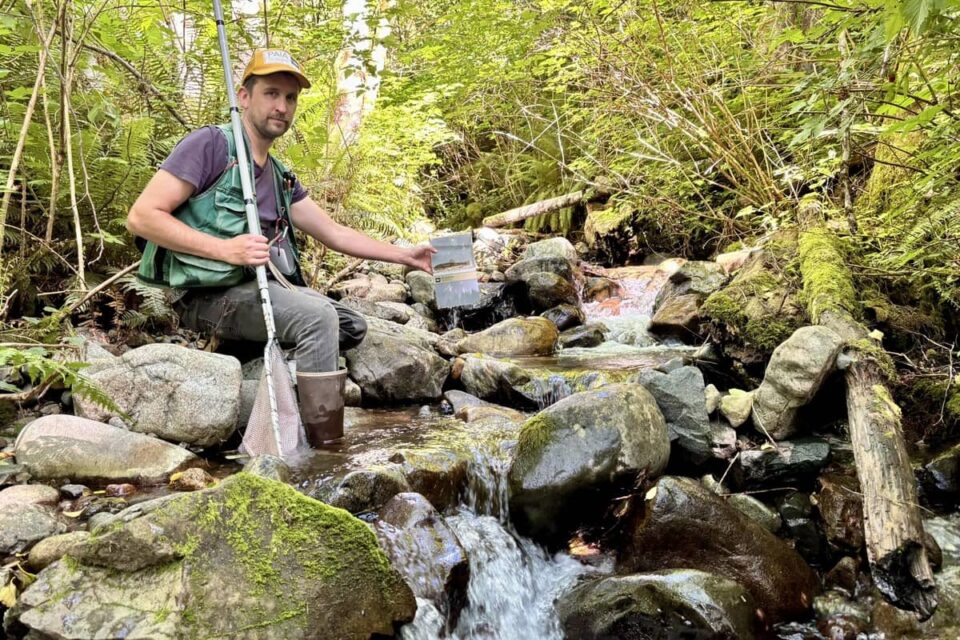
Setting the minimum standards for logging across more than 9 million acres of private and state lands.
Logging has a significant impact on the streams and landscapes that fish and people rely on. In the 1990s, parties agreed to a unique system to ensure Washington forest practices achieve four objectives: comply with the Endangered Species Act for aquatic and riparian species, restore and maintain riparian habitat to ensure a harvestable supply of fish, meet the requirements of the Clean Water Act, and maintain an economically viable timber industry.
A multi-stakeholder body studies how well our logging regulations are achieving these resource goals and proposes rule adjustments as needed. As scientific understanding advances, the rules have to keep pace. Updates happen through the Department of Natural Resources (DNR) Adaptive Management Program, where we represent the conservation community alongside industry, agency, county, and Tribal representatives.
Type Np Streams Defense
Defending an expanded riparian buffer rule protecting headwater streams.
Logging alongside streams affects the water in the stream and the aquatic organisms that depend upon it. If the trees that shade and shelter the stream are removed, the water warms, fills with sediment, and stops supporting fish. Washington’s Forest Practices rules set limits on logging near headwater streams to prevent warming and achieve quality standards. After decades of analysis and negotiation, scientific study demonstrated our current rules for logging near headwater streams were inadequate.
We spent twenty years studying, negotiating, and securing a new riparian buffer rule, which expands protective forested buffers around 19,000+ miles of headwater streams. It’s now being challenged by industry groups, and we’re in court defending it against ongoing efforts to roll it back.
Public State Lands
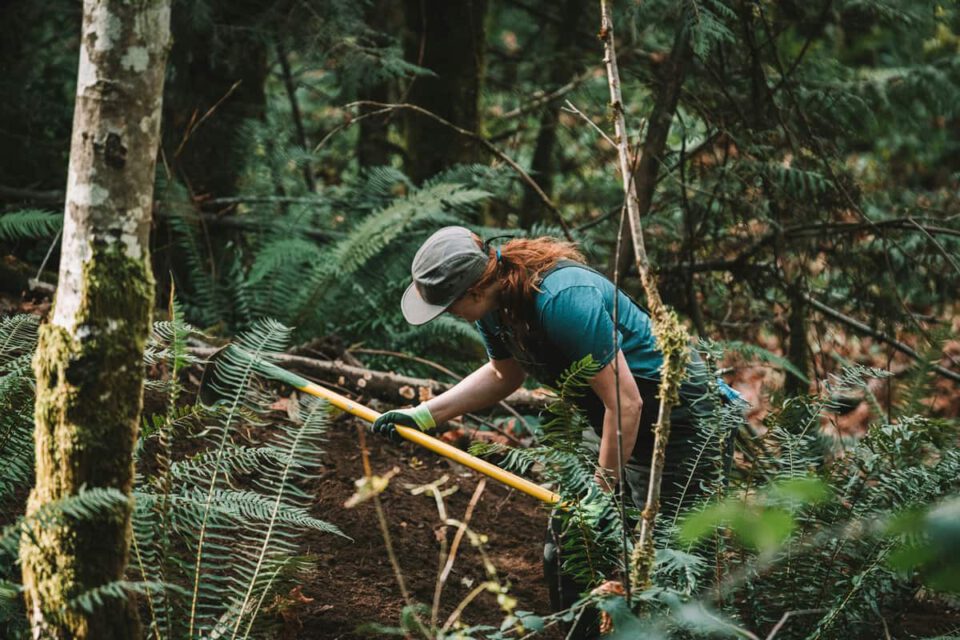
Advocating for DNR to manage 2.1 million acres of public forest for more than timber revenue.
DNR manages 2.1 million acres of forest in trust for Washingtonians and trust beneficiaries like schools and counties — land historically managed for one outcome above all others: maximizing timber revenue. We took DNR to court to clarify the agency’s mandate in managing these public lands. In 2022, the State Supreme Court answered: DNR must balance duties to generate benefit for trust beneficiaries and public benefit for “all the people” of Washington.
We push for management of state lands that reflects this public benefit mandate, prioritizing clean water, wildlife habitat, climate change mitigation, and the value these forests hold for surrounding communities. Public ownership gives us more room to test new approaches here than on private land, and we’ve spent decades advocating for exactly that.
Sustainable Harvest Calculation
A once-a-decade process determining how much logging occurs on state trust lands.
Every ten years, DNR calculates how much timber can be sustainably harvested from state trust lands over the following decade, without compromising value to future generations. We work to make sure that calculation reflects ecological values and sets objectives for carbon, forest health, and habitat — not just revenue targets. As the first Sustainable Harvest Calculation since the State Supreme Court affirmed DNR’s duty to the public, the current process will establish a new paradigm moving forward.
Natural Climate Solutions
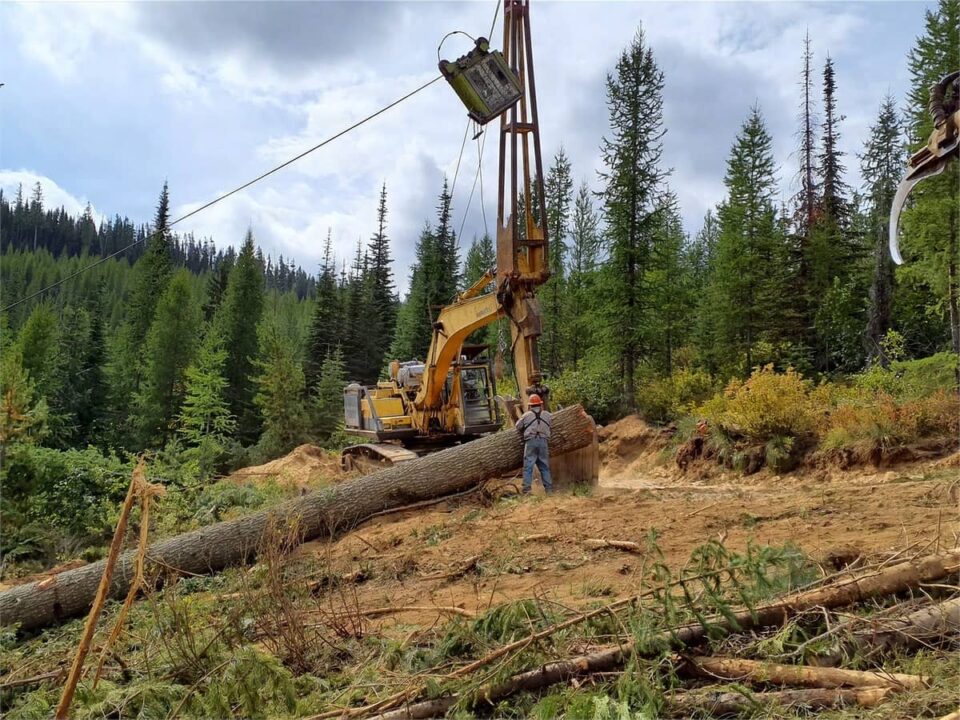
Advancing climate smart forestry and carbon offsets as tools in Washington’s climate strategy.
How a forest is managed determines whether it fights the climate crisis or worsens it — and trees are one of the most powerful climate tools Washington has. We promote Washington state investment in forestry, credible forest carbon offsets under the Climate Commitment Act, community forests as a model of local stewardship, and a transition to longer timber harvest rotations on intensively managed forestland.
Longer Rotations Project
Helping landowners transition to growing trees longer before harvest to increase carbon, improve habitat, and expand value.
We lead a project, in partnership with the private sector and DNR, supporting large landowners and the wood supply chain to transition to longer timber harvest rotations — harvesting, for example, after 80 years instead of 40 years. Longer rotations are the single greatest natural climate solution available to Washington, holding 68% of our carbon drawdown potential across all natural and working lands.
Wildfire Resilience
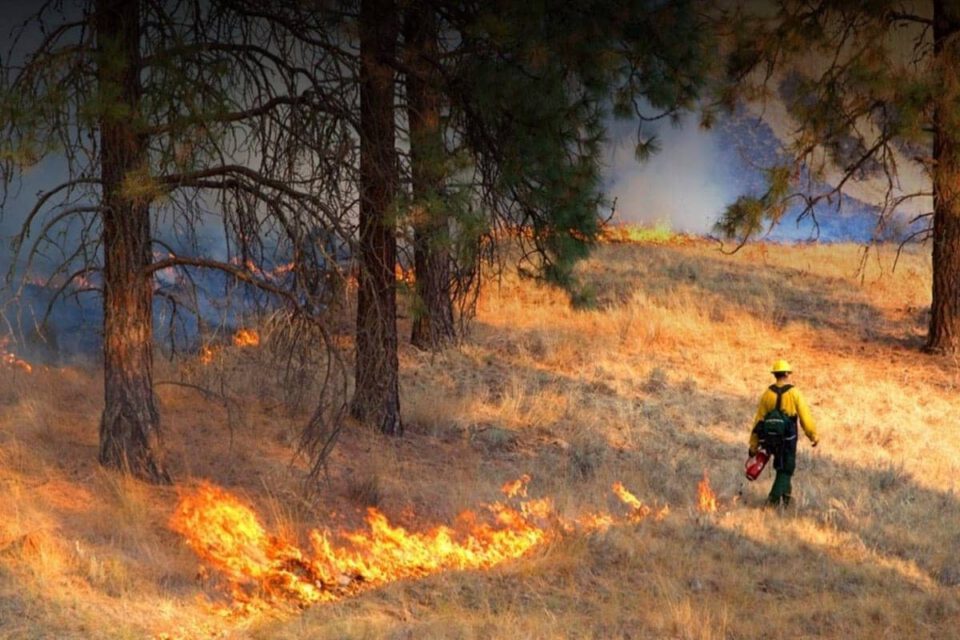
Restoring beneficial fire and building ecological and community resilience to wildfire across Washington’s landscapes.
Washington’s landscape evolved with fire, and increasingly severe wildfire seasons are forcing a reckoning with decades of suppression. Restoring a healthy relationship to fire requires changing the way we manage forests, introduce good fire, and prepare communities. We help shape wildfire-adapted land use planning, track DNR’s forest health and wildfire spending, reduce barriers to beneficial fire, and push for reliable funding for community resilience.
Tribal Fire Partnership
Partnering with the Tribal Nations Program to expand cultural burning and prescribed fire on the landscape.
Alongside WCA’s Tribal Nations Program, we partner with Tribal and non-Tribal fire practitioners to restore the use of cultural burning and prescribed fire — a historically suppressed tool for keeping Washington’s landscapes healthy and an important element of Tribal sovereignty.
Wildfire Funding
Securing reliable statewide funding for community wildfire resilience, both this legislative session and beyond.
Current funding sources face an uncertain future, and underrepresented communities need a seat at the table. We’re working to secure funding this legislative session and to build a lasting funding tool going forward.
Climate-Smart Wood Supply Chains
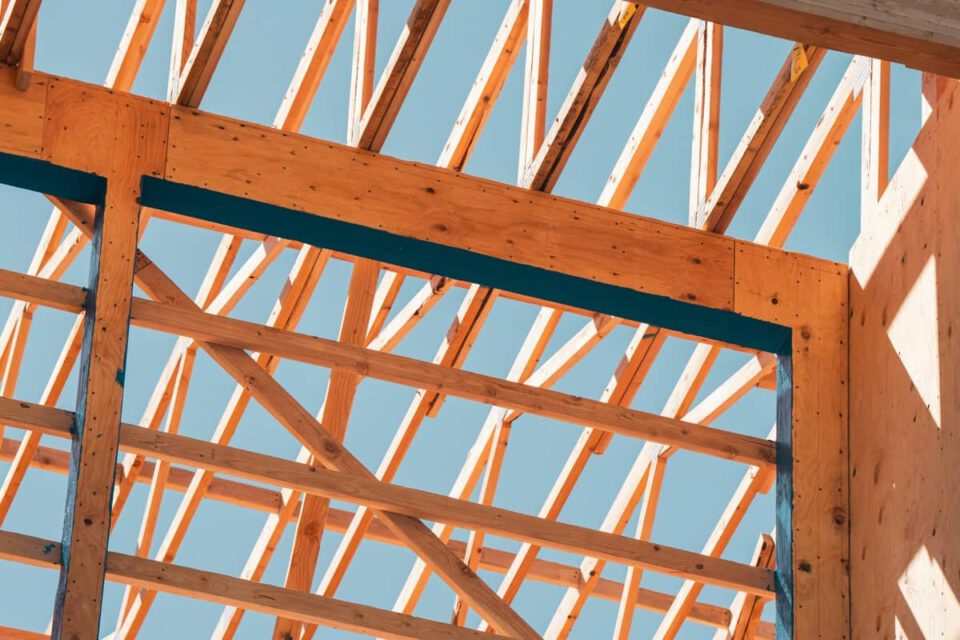
Building markets that recognize and reward climate-smart forestry.
Buyers and builders increasingly want to know where their wood comes from and how it was produced — a growing movement in the past decade. We help meet that demand by building transparency into the supply chain, distinguishing wood produced to a higher standard, and giving the building sector practical guidance for sourcing it responsibly. Enabling market demand for climate-smart wood is critical to drive reward and incentives to landowners investing in management that exceeds the status quo.
Climate Smart Wood Group
Guiding the architecture, engineering, and construction sector to build with wood that supports climate change mitigation, climate change adaptation, and equity.
We co-founded and participate in the Climate Smart Wood Group, which develops guidance — including a procurement guide and a shared definition of climate-smart forestry — and builds knowledge and connections to help builders and buyers achieve responsible wood sourcing goals.
Forest Stewardship Council
Promoting and expanding certified wood products originating from responsibly managed forests.
We promote Forest Stewardship Council (FSC) certification as a third party validation of forestry that achieves high ecological, social, and economic standards. As an FSC member, we help shape the standards used to certify responsibly managed wood nationwide.
Highlights
Commissioner of Public Lands Elections and Accountability
Shaping who leads DNR, then holding them accountable once in office.
We’re involved from the earliest stages of a campaign, through candidate recruitment and endorsement, and stay engaged well past Election Day. Once a commissioner takes office, we track their record year over year and publish our findings in the annual State of Our Forests and Public Lands Report, a public account of how the Commissioner is managing the state’s natural resources.
Carbon Friendly Forestry Conference
An annual gathering at the intersection of forests, climate, and community benefit.
One day, in person, and built around the people doing the most interesting work in climate-smart forestry today. Roughly 150 attendees and 15 speakers share projects and analysis that don’t fit neatly into a timber conversation or a climate conversation alone, but live in the overlap between the two.