Tribal Nations
Overview
Addressing environmental inequities by honoring Indigenous people and fostering partnerships that uphold sacred relationships between people, land, water, and all living beings.
Washington Conservation Action works toward a future where communities live in harmony with their ancestral lands, and environmental stewardship grows from cultural knowledge and respect for Tribal sovereignty.
We build relationships with Tribes at the pace each Tribe sets, with Tribal leaders and with the staff who carry environmental work day-to-day. We bring Tribal priorities into our policy work, connect Tribes with partner organizations and lawmakers, and train others to engage Tribal governments as sovereign nations.
Key Issues
Tribal Sovereignty
Building relationships with Tribal governments, tribal citizens, and tribal organizations while recognizing Tribal Sovereignty and acknowledging the government-to-government consultation process.
Each of Washington’s 29 federally recognized Tribes is a sovereign government with its own treaty rights and priorities. Our program teams, coalitions, and campaigns rely on our program to engage in meaningful relationships with Tribal governments. We build relationships at each Tribe’s pace, engaging with Tribal leaders to further develop relationships and support the Tribes in their efforts. Along the way, we share information and resources with Tribal organizations and connect them with conservation partners. At every step, each Tribe keeps the final say over what matters on its own lands.
Policy Collaboration
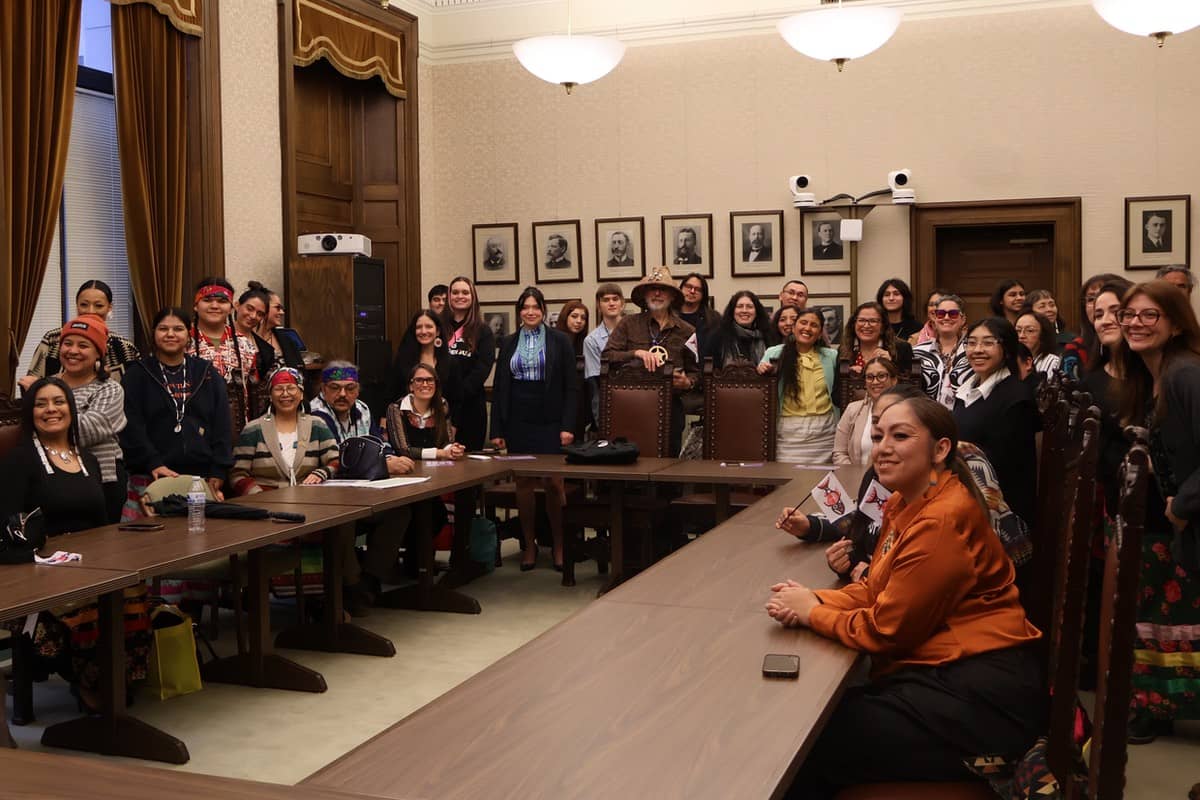
Working with Tribes on the environmental policies that shape their lands and waters.
Together with our program teams, we work with Tribes on climate control, clean energy siting, new fossil fuel infrastructure, sustainable forestry, wildfire mitigation, salmon restoration and the Climate Commitment Act. We support Tribal leadership on clean water standards, habitat restoration and the Lower Snake River campaign. At the same time, we push for stronger Tribal consultation, which builds representation and political power for Tribal communities.
Highlights
Tribal Engagement Training
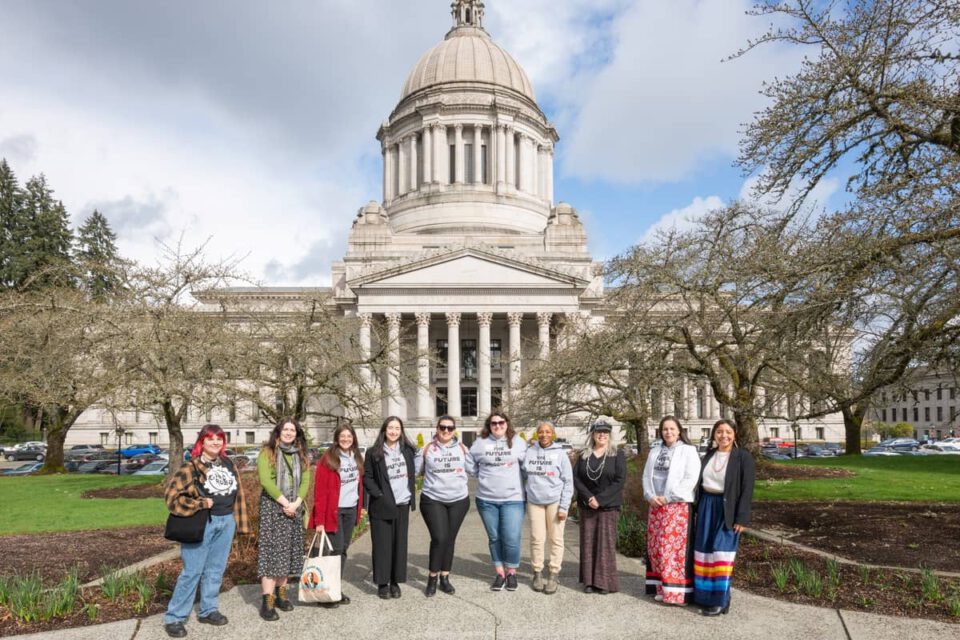
Teaching staff and partners about Tribal sovereignty and Free, Prior, Informed Consent, and how to engage respectfully with Tribes.
Our program develops a training curriculum for our staff and outside partners on the meaning of Tribal sovereignty and Free, Prior, and Informed Consent (FPIC). Professionals lead each session and engage audience members on the importance of recognizing Tribal voices and ensuring consultation occurs. Panels bring Tribal leaders and state legislators into the same conversation.
Related
Native Vote Washington
Program
Transparency
Our program teams work across research, public education, and advocacy. Staff track their time by activity type and funding source, in compliance with nonprofit rules and regulations.
Get Involved
Join the movement for a stronger and more resilient future.
Give Now
Your generous contribution sustains our work and its impact.