
Carbon Friendly Forestry Conference 2026
The tenth annual Carbon Friendly Forestry Conference takes place on December 7, 2026
The forests of the Pacific Northwest hold tremendous potential to store carbon, provide ecosystem services, support rural economies, and improve environmental justice outcomes. The Carbon Friendly Forestry Conference explores approaches to forest management that look beyond a single objective and recognize the complexity and interconnectedness of forest ecosystems and our relationships to them. Join us for a day of presentations, conversations, and bold ideas to envision a new approach to forest management in the Pacific Northwest that works for everyone.
We look forward to welcoming partners, practitioners, policymakers, agency staff, landowners, Tribal government staff, wood supply chain companies, and community members interested in forest management and carbon sequestration. We hope to see you there!
Ticket Prices
General ticket: $250
Nonprofit, Public Sector, and Tribal Government ticket: $225
Student and Community Member ticket: $200
We welcome all to the conference and recognize that some individuals and organizations have varied abilities to pay. We encourage guests to purchase tickets at the level of ticket that matches their ability to pay.
The registration fee supports our speakers with a small honorarium and covers the cost of the venue. We acknowledge that not everyone is able to pay a fee, and will offer a limited number of complimentary tickets. If this applies to you, please email Halleli Zacher, Events and Outreach Manager, halleli@waconservationaction.org, for accommodation before registering.
Speakers
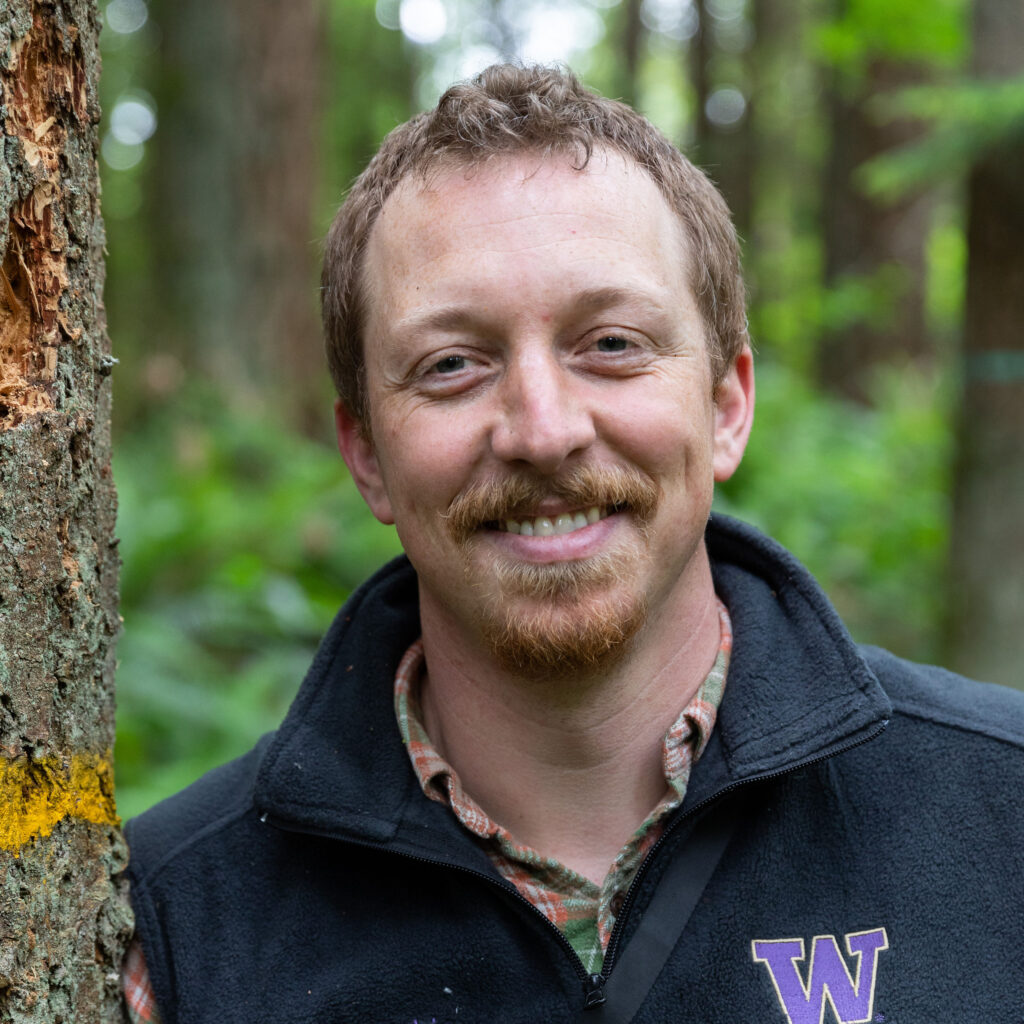
Dr. David Diaz – Vibrant Planet
David Diaz is a lifelong student of the “tall people” and a proud Native Texan (a mestizo descendant of the Coahuiltecan people). Over the past 20 years, he has worked as a reporter covering climate policy and carbon markets, designed new carbon accounting methodologies, and managed a portfolio of carbon offset projects before finding his path as a forest data scientist. For the past decade, he has applied ecosystem and geospatial nerdery to improve forest planning and monitoring systems now applied by thousands of landowners across millions of acres in the western U.S. He holds a Bachelor of Arts in environmental history from Harvard, a Master of Science in soil science from Oregon State University, and a doctorate in forestry from the University of Washington. At Vibrant Planet, David focuses on research and development, integrating remote sensing, machine learning, forest biometrics, and growth-and-yield modeling. He’s based in the Seattle area where you’ll often find him paddling after sea-run cutthroat but usually catching more seaweed than fish.
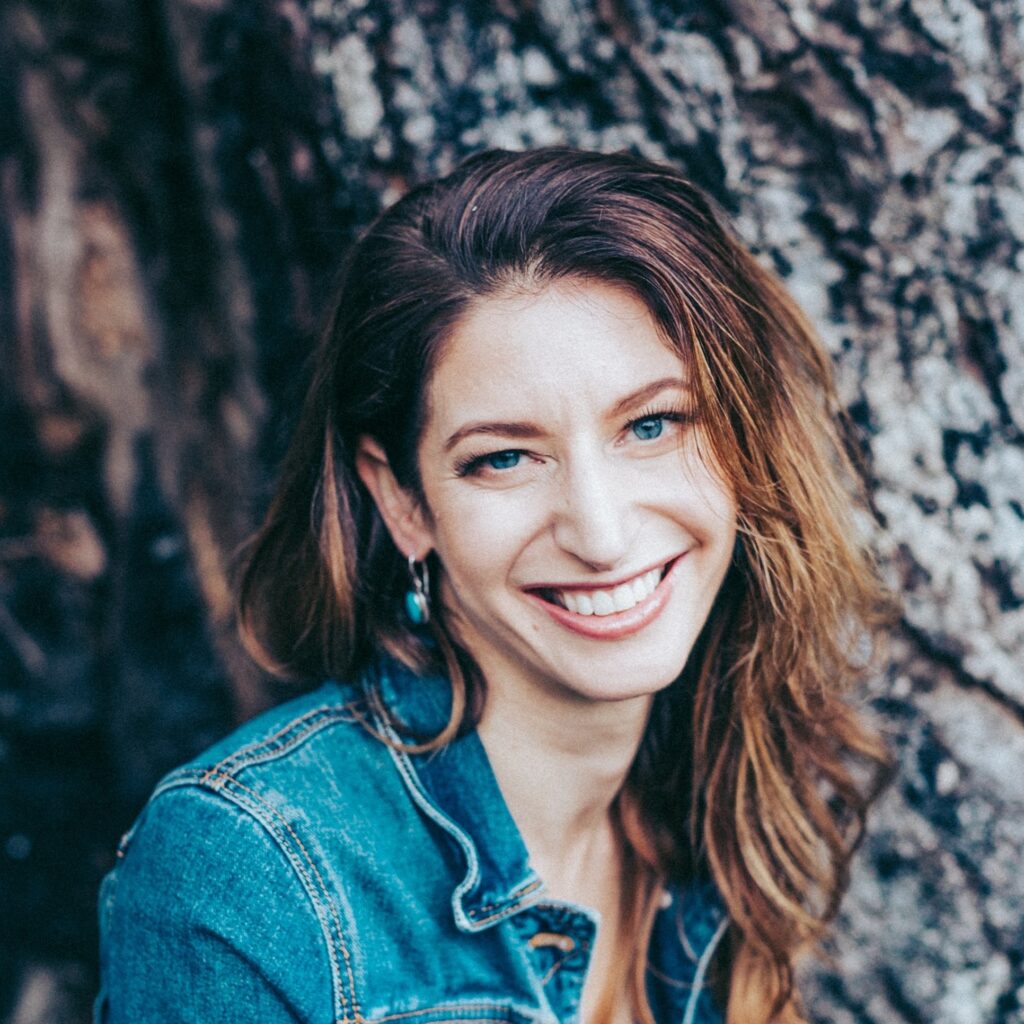
Rosalie Fisher – Forest Stewardship Council U.S.
Rosalie Fisher is the Western Regional Manager for the Forest Stewardship Council U.S. (FSC). She has spent over 20 years helping landowners, communities, and foresters make sustainable forestry work on the ground. As a California Registered Professional Forester, she has consulted with Fire Safe Councils and served with the California Department of Forestry and Fire Protection as a vegetation management planner, designing landscape-level fuel breaks. She also led a forest certification program built on training and capacity-building. Today, she’s expanding FSC certification from Wyoming through California, mapping the Pacific Northwest supply chain, and planning a mid-February economic roundtable in Washington to explore where value is being left on the floor and how to bring more of it back to landowners and suppliers. She’ll share how certified, sustainably managed forests support healthier ecosystems and a climate-friendly future, so come say hello and let’s build those partnerships.
Amelia Marchand – L.I.G.H.T. Foundation
Amelia Marchand is a researcher, writer, and strategist with over 27 years of experience in cultural and natural resource management, climate action, and food and water security policy, working alongside Indigenous Peoples in the U.S. and First Nations in Canada. She serves as the executive director of the Indigenous-led L.I.G.H.T. Foundation. In 2024, Amelia made history as the first woman presidentially appointed to the Indian Tribe Member Seat on the Advisory Council of Historic Preservation (ACHP). She holds a Bachelor of Arts in anthropology from Eastern Washington University and a Master of Arts in environmental law and policy from Vermont Law School. Always looking to learn from and share with others, she is a Public Voices fellow of The OpEd Project at the Yale Program on Climate Change Communication, a Center for World Indigenous Studies associate scholar, and an alumnus of Presidential Classroom and the Ronald E. McNair Scholars Program. Amelia is proud of her diverse heritage and is a citizen of the Confederated Tribes of the Colville Reservation.
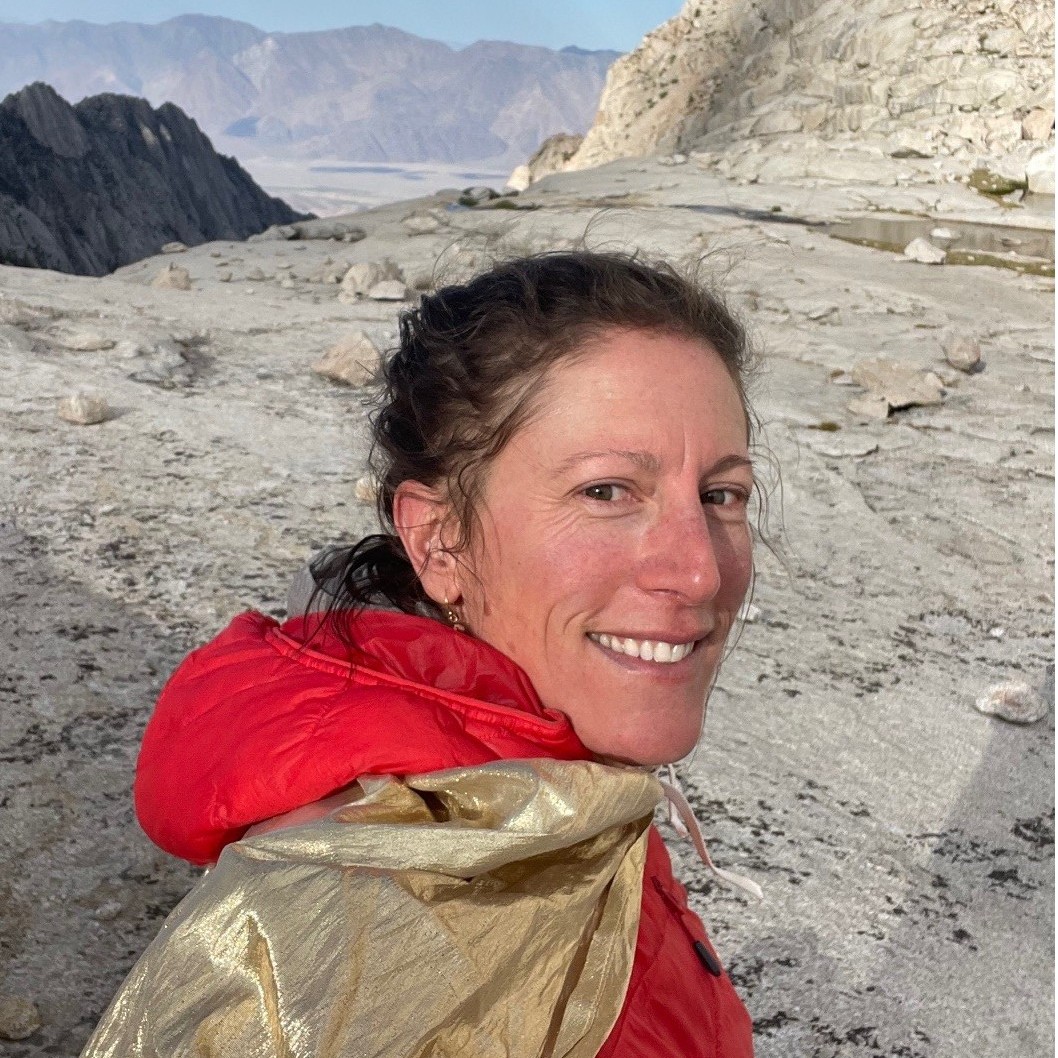
Erin McKay – Chelan County Department of Natural Resources
Erin McKay grew up in Bend, Oregon, and maintains a love for the eastern Cascades landscape. She now calls Leavenworth, Washington, home. With a natural resource management degree from Oregon State University, Erin worked in wilderness management for the National Park Service for a decade before joining the Chelan County Natural Resource Department in 2016. Erin has built out the department’s Forest Health program over the last 10 years and has experience implementing forest and watershed restoration projects across all ownerships in the beautiful landscape of central Washington. Erin is committed to seeking long-term sustainability for forest restoration and resilient communities.
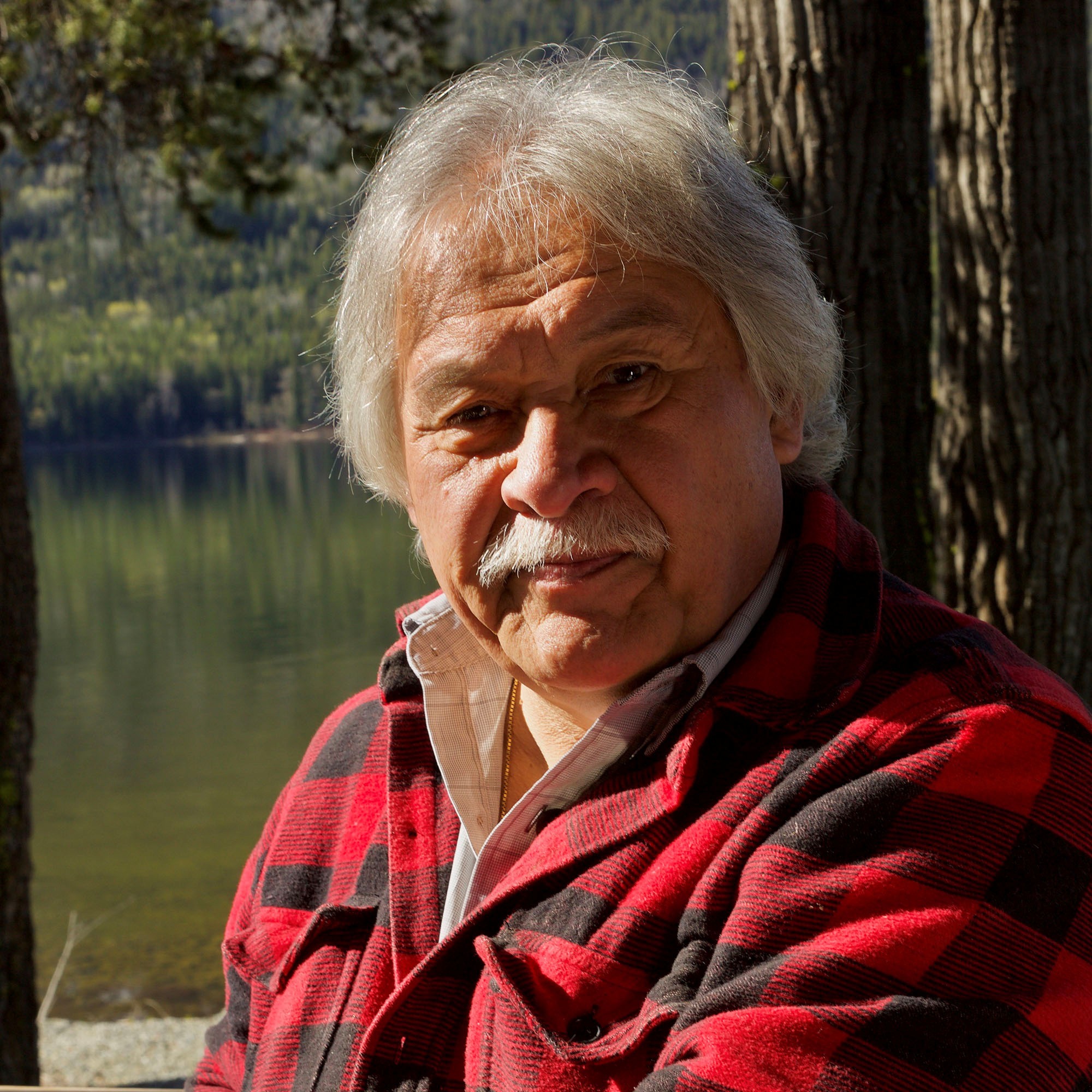
Dr. Garry Merkel – University of British Columbia
Garry Merkel (nadi’ denezā) is Tahltan from northwest British Columbia, a great-grandfather, and a professional forester with more than 50 years of experience working in most areas of the forest and lands sector. He is the director of the University of British Columbia’s Center of Indigenous Land Stewardship and a formal mentor to various land sectors. Some of his more recent work includes “A New Future for Old Forests: A Strategic Review of How British Columbia Manages its Old Forests Within its Ancient Ecosystems” (2021), “From Conflict to Care: BC’s Forest Future, A New Stable System for Communities, Economies and Ecologies” (2026), and “No Time to Wait: BC Landscape Wildfire Management Strategy” (2026, in progress).
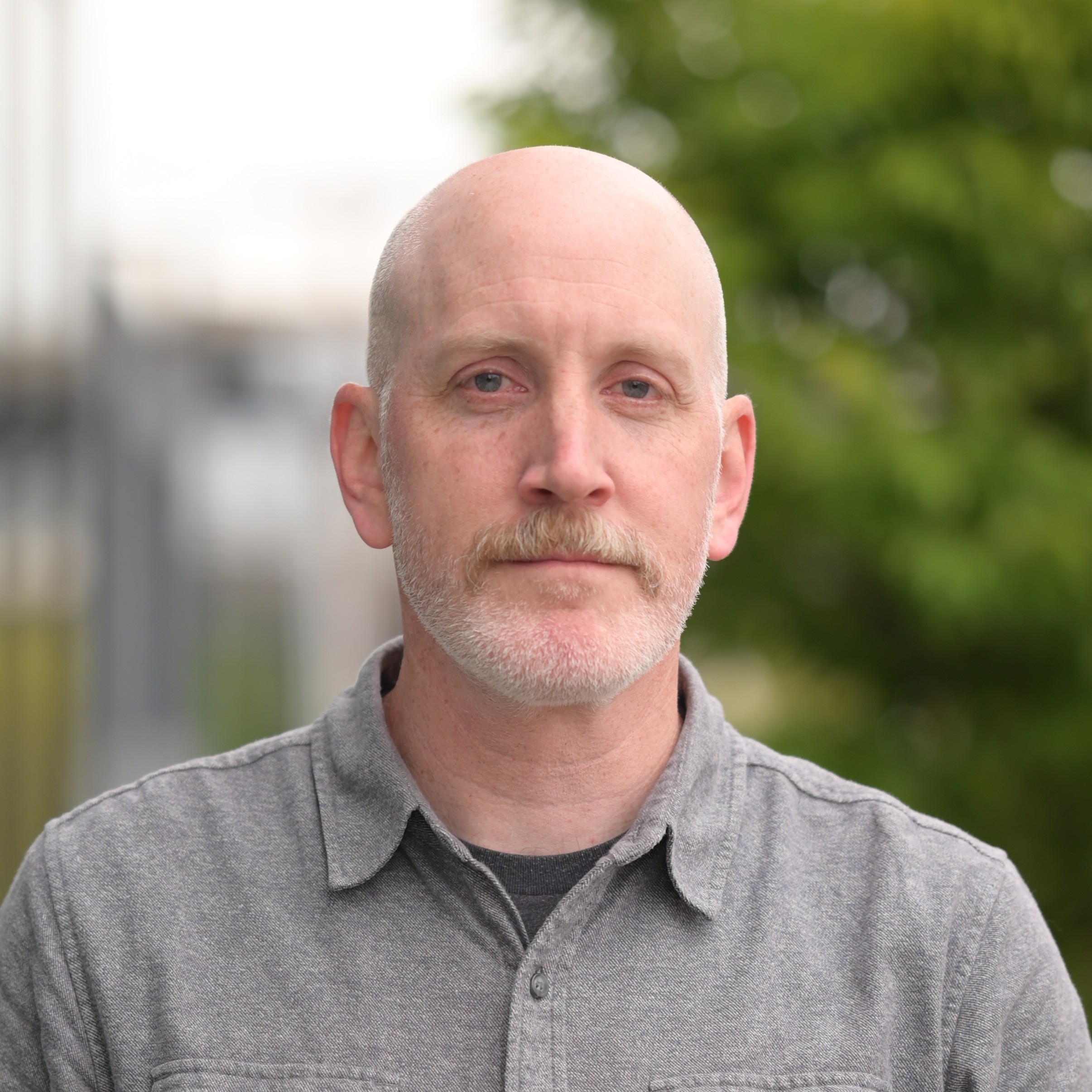
Scott Mooney – Bora Architecture
Scott Mooney is a design principal with Bora Architecture and Interiors in Portland, Oregon. With over 20 years of experience focused on large-scale educational and civic work, sustainability research and education, and pro-bono public service, Scott is rooted in a passion for community-based outcomes that address issues of environmental and social justice. As a designer, he is committed to bridging the divide between design excellence and environmental stewardship through innovative, integrated solutions. He has extensive experience with mass timber construction and has served on the Climate Smart Wood Group’s leadership council since 2023.
John Nickerson – Dogwood Springs Forestry
John has a deep background in forest inventories, silviculture, and sustained landscape-scale analysis, including climate-focused land management. He has contributed toward the development and implementation of carbon accounting methodologies used in voluntary and compliance carbon markets. His experience spans working with industrial, family, Tribal, and public landowners. John’s forestry career started as a Peace Corps volunteer doing agroforestry work in the Democratic Republic of the Congo.
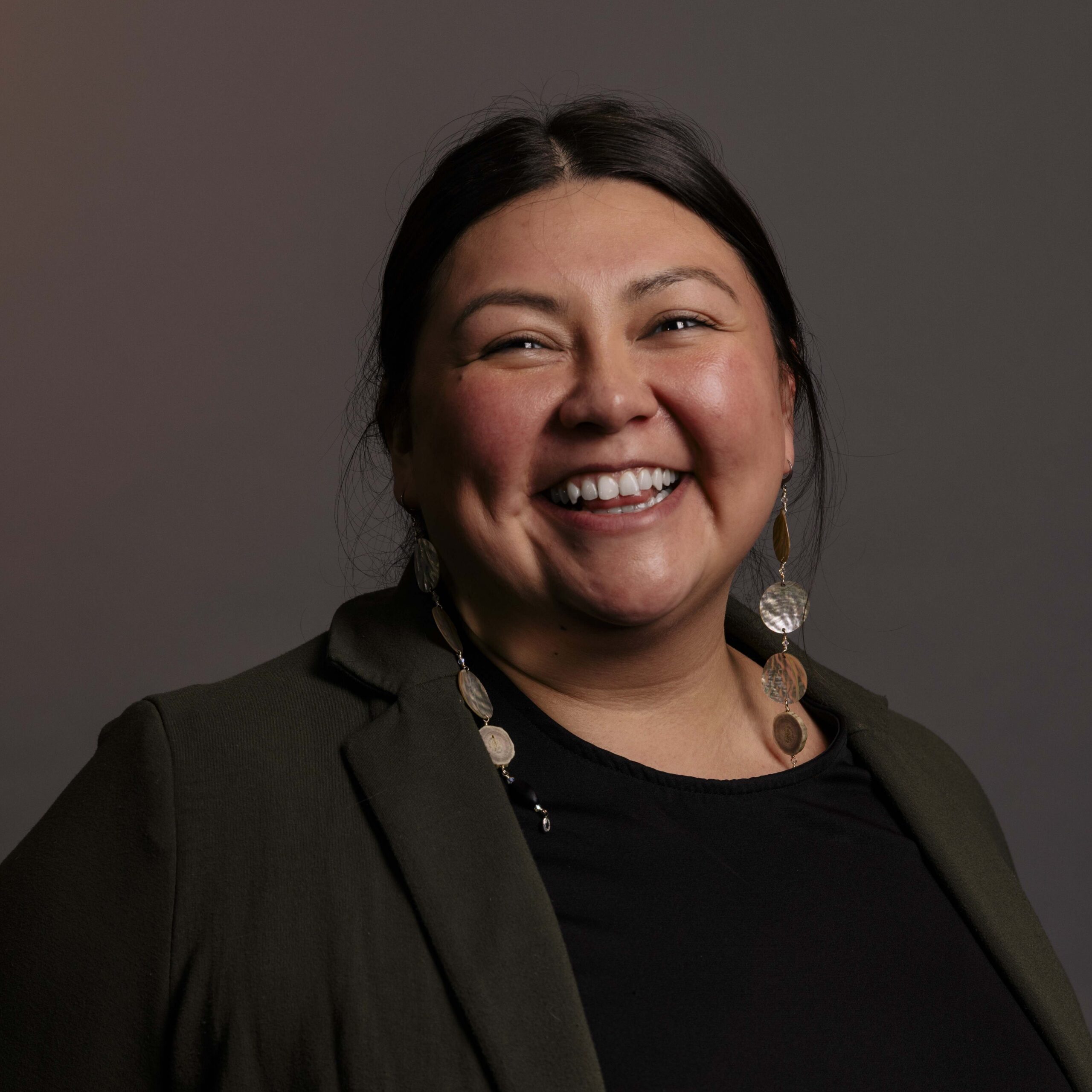
Tanya Pelach – Quinault Division of Natural Resources
Tanya Pelach is the deputy director of the Quinault Division of Natural Resources (QDNR) and a citizen of the Quinault Indian Nation. Raised and living along the Washington coast, Tanya’s personal and professional life is deeply connected to the lands, waters, and natural resources that sustain her community and Tribal Nation.
She holds a Master of Marine Affairs from the University of Washington and brings experience in natural resource policy, conservation, and Tribal advocacy. Her previous work includes Washington Conservation Action and the Affiliated Tribes of Northwest Indians (ATNI), where she supported initiatives advancing conservation, Tribal sovereignty, treaty rights, and natural resource priorities across the region. In her current role, Tanya helps lead the strategic direction and operations of QDNR, supporting the Quinault Indian Nation’s stewardship and management of its natural resources. She is committed to advancing Tribal leadership in natural resource management and ensuring that Indigenous knowledge, priorities, and perspectives remain central to the decisions shaping the future of Tribal lands and waters.
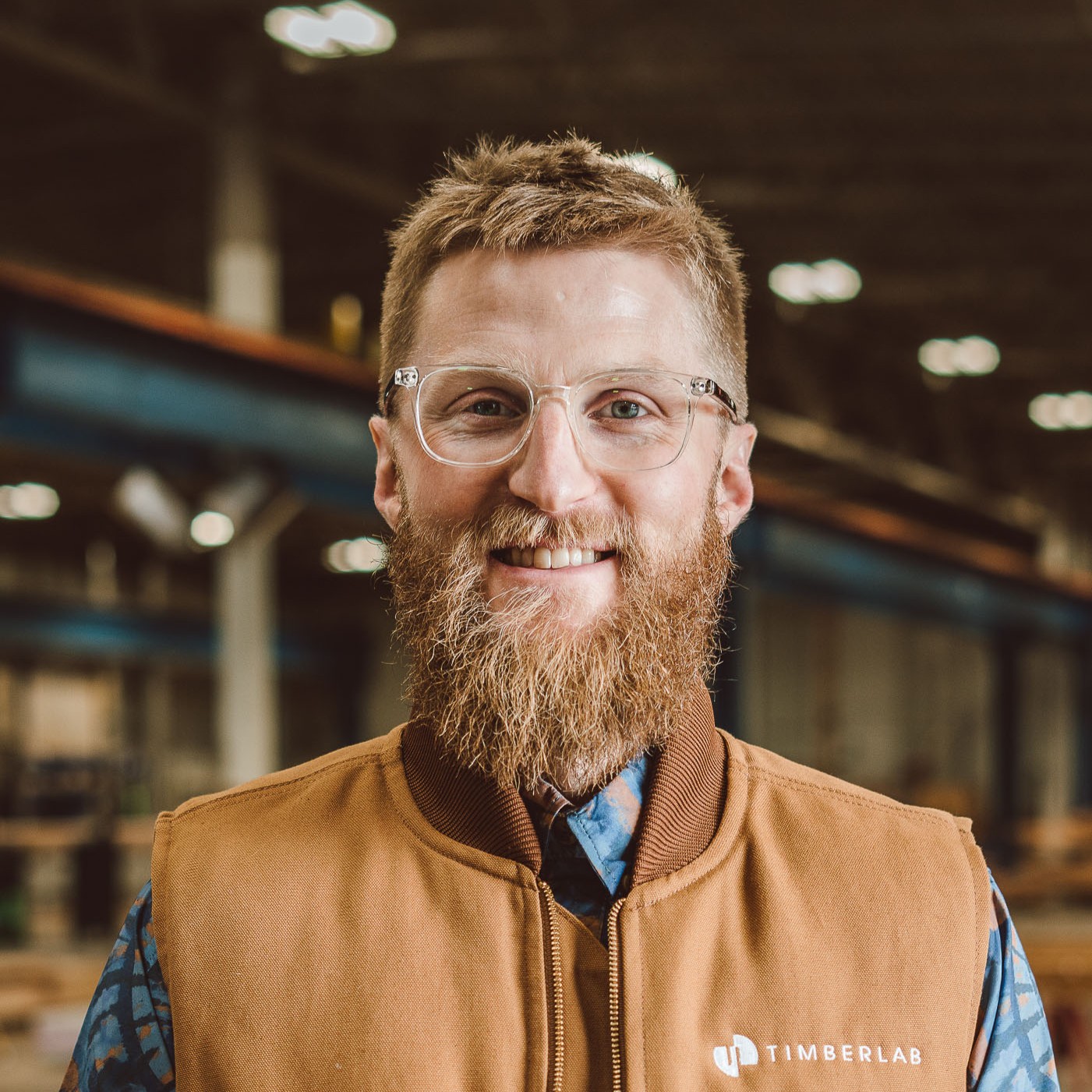
Andrew Ratzke – Timberlab
Before joining Timberlab, Andrew worked as a union laborer, supported Leadership in Energy and Environmental Design (LEED) certification efforts, developed green building training materials, and taught in public schools. At Timberlab, he began by creating technical mass timber training resources and hands-on field learning experiences, which laid the foundation for his sustainability expertise. As sustainability manager, Andrew drives environmental initiatives, supports carbon tracking and green building compliance, and integrates sustainability goals into project delivery.
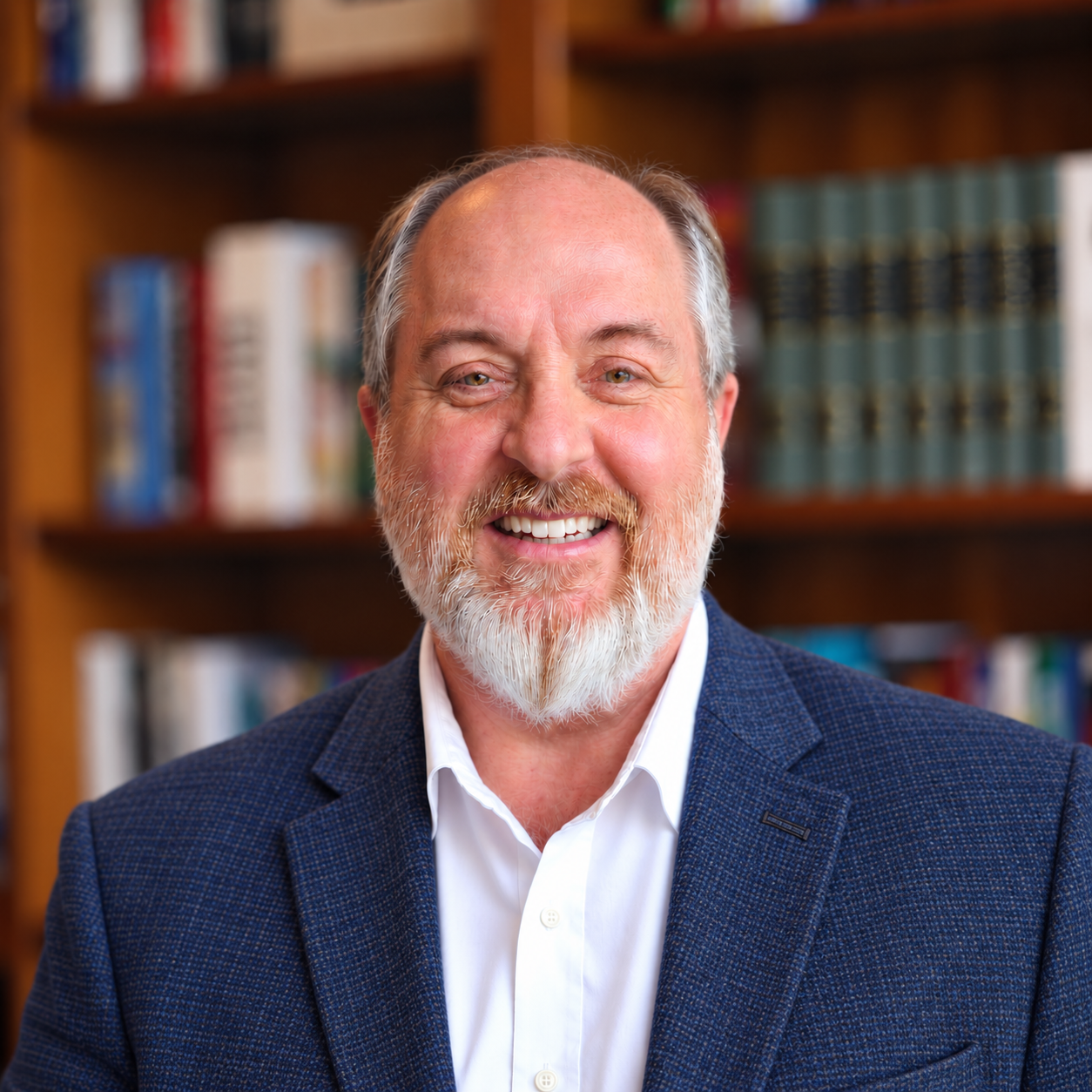
Eric Schallon – Green Diamond
Eric Schallon is the Director of Timberland and Real Estate Transactions for Green Diamond Resource Company, one of the nation’s largest private timberland owners. With more than 33 years of experience in the forest products industry, Eric has held leadership positions spanning forest management, business development, conservation, and strategic real estate transactions.
Throughout his career, Eric has worked at the intersection of commercial forestry, conservation, and land use, bringing together stakeholders with diverse and sometimes competing objectives. His experience includes working with sawmills, conservation organizations, and timberland owners to identify creative solutions that support economic viability, environmental stewardship, and long-term forest sustainability.
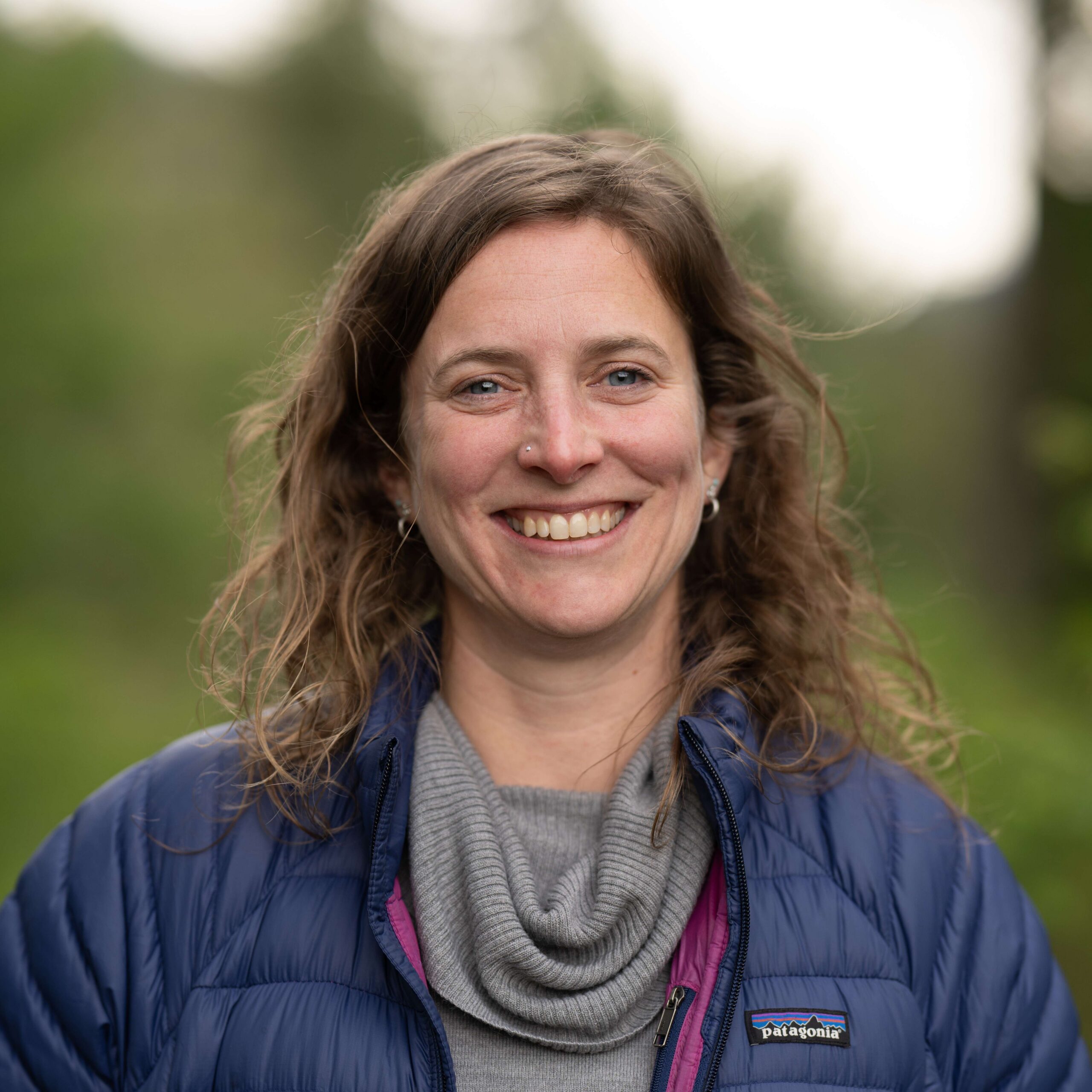
Kaola Swanson – The Conservation Fund
As the Columbia Gorge program manager, Kaola is responsible for the management and permanent conservation of the 35,000-acre Columbia Gorge Forest. She supports The Conservation Fund’s partner-led conservation efforts in Oregon and Washington. Kaola has a Bachelor of Science in environmental science from the University of Oregon, a Master of Environmental Management from Duke University, and a certificate in Tribal relations from Portland State University.
Dr. Paula Swedeen – Washington State Department of Natural Resources
Paula Swedeen, Ph.D., is the forestry innovation strategist for the Washington State Department of Natural Resources (DNR). Prior to joining the DNR, she worked as the senior policy director and point person at the State Capitol for Conservation Northwest. Paula has worked on habitat conservation and forest management issues around the Pacific Northwest for 35 years. She worked for 12 years as a wildlife biologist and endangered species policy analyst with the Washington Department of Fish and Wildlife and the Washington Department of Natural Resources. She also served on Washington’s Forest Practices Board from 2010 to 2020.
Paula has a Bachelor of Science in biology from Indiana University, a Master of Environmental Studies and Political Science from Western Washington University, and a doctorate in interdisciplinary studies with an emphasis on ecological economics from the Union Institute.
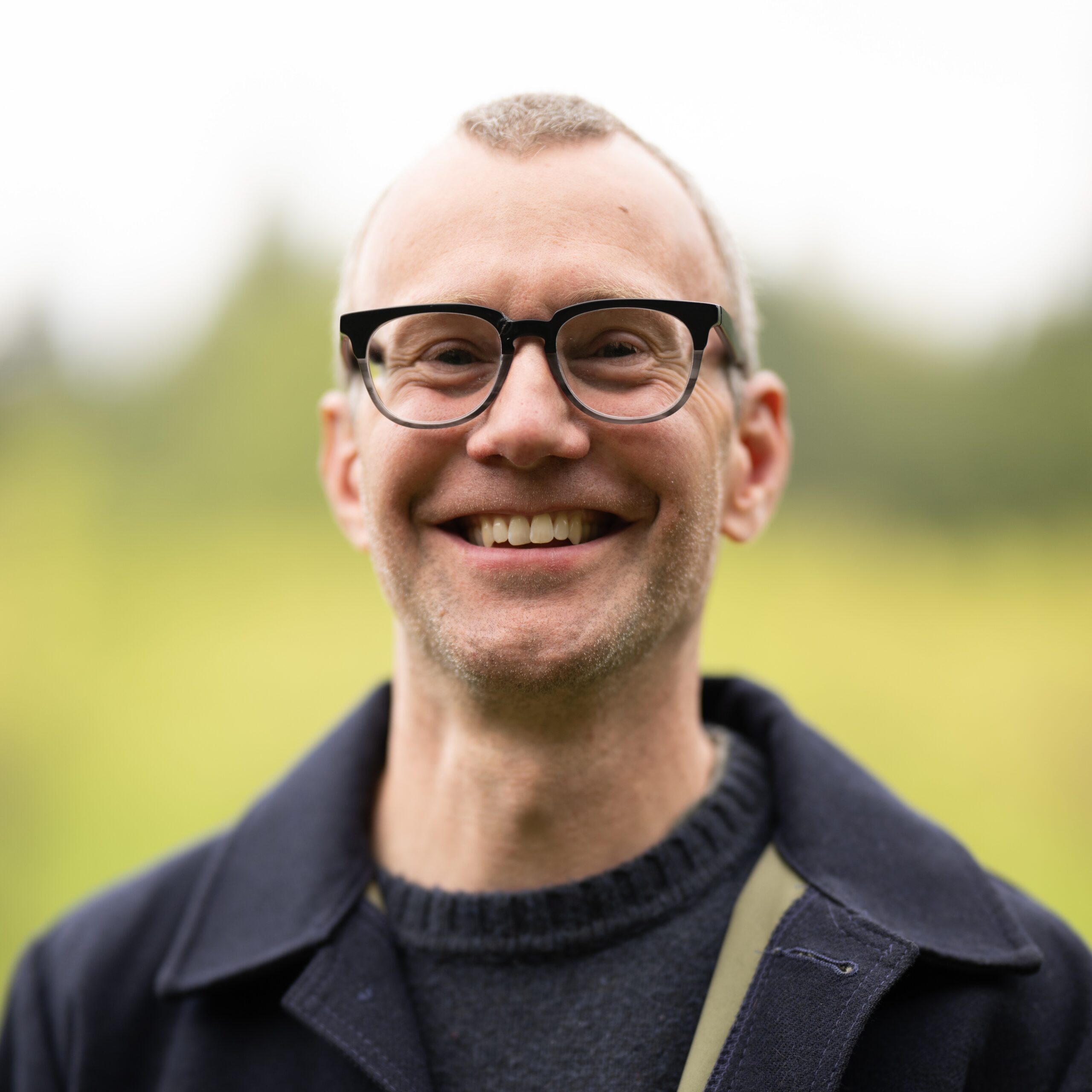
Nate Ulrich – Columbia Land Trust
Nate Ulrich is conservation director at Columbia Land Trust based in Vancouver, Washington. He supports the conservation team’s three core functions: conservation planning, conservation project development, and real estate transactions. His work also includes strengthening strategic relationships and advancing policy that support the Land Trust’s mission in Washington and Oregon.
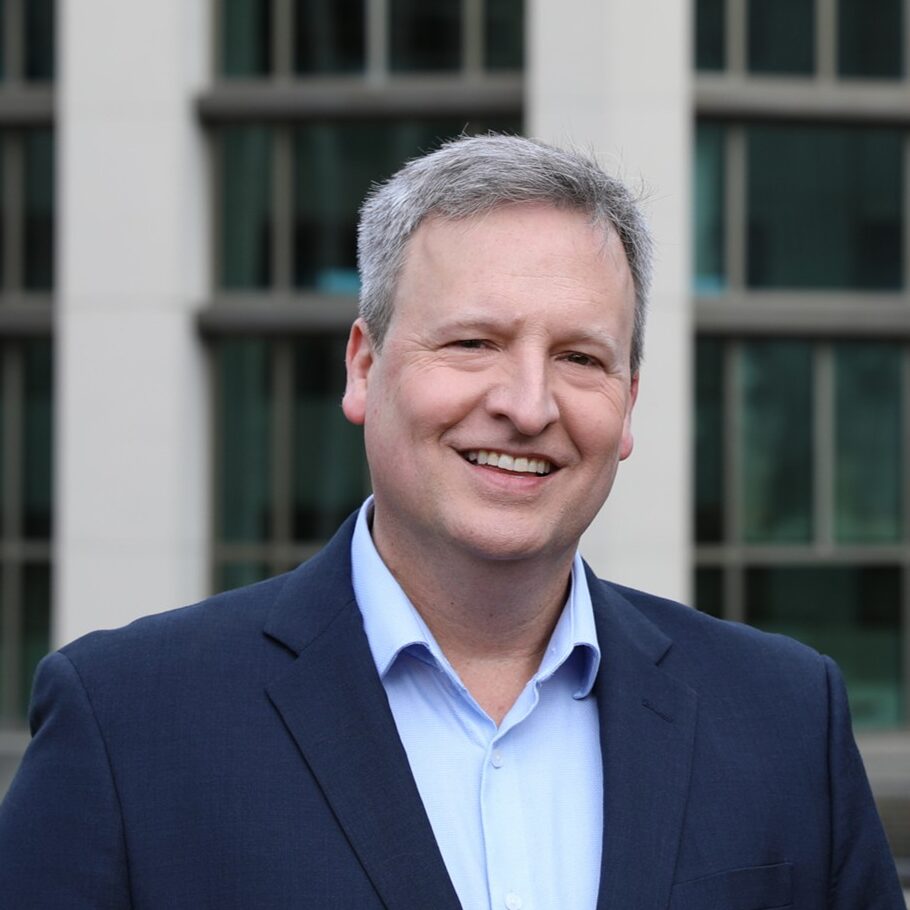
Dave Upthegrove – Commissioner of Public Lands
Commissioner of Public Lands Dave Upthegrove has dedicated his life and career to public service and our public lands. After studying environmental science and energy policy in college and graduate school, he began his career in public service at the Washington statehouse, representing the working-class suburbs of South King County in the Washington House of Representatives for over a decade. He went on to serve on King County Council for 12 years, including three as chair where he advanced sustainable policies across the largest county in Washington State. In January, he made history when he became the first out LGBTQ+ statewide executive in Washington’s history.

Jordan Wildish – Washington State Department of Ecology
Jordan Wildish manages the Offset and Tribal Grants unit within the Washington State Department of Ecology’s Climate Pollution Reduction program. Jordan manages the program that issues carbon offset credits and develops carbon offset protocols within Washington’s Cap-and-Invest program. He has a Master of Public Administration from the University of Washington. Prior to joining the Department of Ecology, he worked on conservation finance for American Forests.
Agenda
Morning Sessions
| 7:30 a.m. | Breakfast and registration open |
| 8:30 – 8:45 a.m. | Opening remarks and welcome Speaker: Rachel Baker |
| 8:45 – 9:40 a.m. | 1.0 – The Evolution of Forestry (or Not): A British Columbia Case Study Moderator: Dr. Laurie Marczak Speaker: Dr. Garry Merkel |
| 9:40 – 9:50 a.m. | Break |
| 9:50 – 11 a.m. | 2.0 – Indigenous Fire Stewardship Panel Moderator: Andy Matheny Speaker: Amelia Marchand |
| 11 – 11:15 a.m. | Break |
| 11:15 a.m. – 12:15 p.m. | 3.1 – Small Diameter Wood Utilization for Sustainability of Forest Health Restoration in Chelan County Moderator: Ava Stone Speaker: Erin McKay |
| 11:15 a.m. – 12:15 p.m. | 3.2 – Forest Offsets in Washington’s Cap-and-Invest Program: Experiences and Evolution to-Date Moderator: Darcy Nonemacher Speakers: Jordan Wildish, John Nickerson, & Tanya Pelach |
Afternoon Sessions
| 1:45 – 2:45 p.m. | 4.1 – Designing and Building with Forests in Mind Moderator: Rosie Fisher Speakers: Andrew Ratzke & Scott Mooney |
| 1:45 – 2:45 p.m. | 4.2 – Multi-Objective Optimization for Landscape Scale Management Planning Moderator: Dr. Paula Swedeen Speaker: Dr. David Diaz |
| 2:45 – 3 p.m. | Break |
| 3 – 4:05 p.m. | 5.0 – Conserving Large Landscapes: A Collaborative Approach in the Columbia Basin Moderator: Rachel Baker Speaker: Kaola Swanson, Eric Schallon, & Nate Ulrich |
| 4:05 – 4:50 p.m. | 6.0 – Commissioner of Public Lands Updates and Priorities Moderator: Alyssa Macy Speaker: Dave Upthegrove |
| 4:50 – 5 p.m. | Closing remarks Speaker: Alyssa Macy |
| 5 p.m. | Reception in the Reflections Gallery starts |
Session Info
1.0 – The Evolution of Forestry (or Not): A British Columbia Case Study
Dr. Garry Merkel (University of British Columbia)
Forest land stewardship in British Columbia continues to evolve along a path that has been repeated throughout most of the developed world. This presentation explores the drivers, aspirations, trends, barriers, and performance as the province moves through themes like managing for ecosystem health, old growth protection, Indigenous involvement, and maintaining a strong industrial forest sector.
These observations build on two recent reports that Garry was largely responsible for: “A New Future for Old Forests: A Strategic Review of How British Columbia Manages for Old Forests Within Its Ancient Ecosystems” and “From Conflict to Care: BC’s Forest Future. A New Stable System for Communities, Economies and Ecologies.”
2.0 – Indigenous Fire Stewardship Panel
Amelia Marchand (L.I.G.H.T. Foundation)
3.1 – Small Diameter Wood Utilization for Sustainability of Forest Health Restoration in Chelan County
Erin McKay (Chelan County Department of Natural Resources)
Chelan County contains some of the highest wildfire-risk forested watersheds in the Pacific Northwest. It’s also facing the devastating combination of increased drought along with forests affected by fire suppression and past management practices. One path toward sustainability is to create financially viable avenues for removing small-diameter wood from these overstocked forests by developing a facility for processing this material into a range of wood products that plug directly into market demand both locally and across the West. With support from the local, state, and federal levels, Chelan County has made significant progress toward this goal.
This session will provide updates on the project, highlighting the initial need, goals, process, and progress Chelan County has made to develop an innovative wood products facility that will bring this material-to-market goal to fruition. This project has multiple benefits at the local and regional level, primarily ecosystem resilience and rural economic development. The project can also provide an example of how other rural forested regions across the nation can address the persistent issue of unhealthy forests and lack of infrastructure using an innovative wood products market.
3.2 – Forest Offsets in Washington’s Cap-and-Invest Program: Experiences and Evolution to-Date
Jordan Wildish (Washington State Department of Ecology), John Nickerson (Dogwood Springs Forestry) & Tanya Pelach (Quinault Division of Natural Resources)
Washington’s Cap-and-Invest offsets program began operating in 2023. It has grown and expanded through increasing project developer engagement, buyer interest, and agency rulemaking to adopt a new offset protocol.
This session will provide an update on the Cap-and-Invest offsets program (now in its fourth year of operation), including the projects that have enrolled in the program and the future direction of the program as Washington moves towards Cap-and-Invest programmatic linkage with California and Quebec. This session will also discuss the key elements of the Ecology-adopted U.S. Forest Offset Protocol intended to ensure methodological rigor and facilitate project enrollment among a broader diversity of landowners.
Finally, the session will conclude with updates from the Quinault Indian Nation’s Improved Forest Management Carbon Project, encompassing approximately 67,000 acres of 100% Quinault-owned forestland within the Quinault Indian Reservation. The project is designed to generate carbon credit revenue and support the Nation’s long-term forest stewardship priorities.
Through participation in Washington’s Climate Commitment Act, the project places greater emphasis on forest health, ecosystem resilience, fish and wildlife habitat, and the protection of cultural and ecological values while balancing carbon storage and sustainable timber management.
4.1 – Designing and Building with Forests in Mind
Andrew Ratzke (Timberlab), Scott Mooney (Bora Architecture) & Rosalie Fisher (Forest Stewardship Council U.S.)
With the advent of mass timber, building professionals have renewed their understanding of the myriad benefits of incorporating wood into building projects: whether it’s to meet lower embodied carbon targets, highlight a sense of biophilia, or to use materiality to connect built space with its broader place and region. However, many in the Architecture, Engineering, and Construction (AEC) fields do this work without knowing much about where our wood actually comes from, nor what forests actually need to thrive. We also know that forests are still the planet’s preeminent resource when it comes to countering climate change. So, what are the outcomes that we should strive for in forests, and how can we help?
How do we get there? We can’t all be foresters, but there is so much our AEC industry can learn to contribute toward meaningful preservation and adaptation in our forests. This presentation will walk through a series of potential pathways that design and construction teams can take to engage with the forests that supply their buildings. Real-world examples in the form of successfully built projects, innovative detailing decisions, and emerging project pilots that specify greater supply chain transparency will be shared. From there, the presentation will explore and provide an overview of how mass timber manufacturers are investing in the wood supply chain to increase opportunities to support a broader range of landowners, underutilized tree species, and forestry practices. We can’t all be foresters, but our project choices can certainly advance desired forest outcomes.
4.2 – Multi-Objective Optimization for Landscape Scale Management Planning
Dr. David Diaz (Vibrant Planet) & Dr. Paula Swedeen (Washington Department of Natural Resources)
Forest managers are increasingly asked to deliver many benefits from the same landscape: carbon storage, wildfire resilience, wildlife habitat, water, timber and rural jobs, and cultural values. These goals sometimes support each other and sometimes compete, with tradeoffs emerging over decades and across ownership boundaries. Most planning tools approach these goals one at a time, or roll them into a single score that may obscure tradeoffs stakeholders and decision makers most need to see. In this session, we’ll step through the implementation of multi-objective optimization and the communication of tradeoffs in the Vibrant Planet Platform with selected examples from deployments now covering more than 175 million acres. We’ll cover how the platform works; key design choices that enable it to serve use cases, ranging from community wildfire protection planning to strategic prioritization in forest health and restoration programs; and how the system is applied in the real world for multi-objective planning by agencies, collaboratives, Tribes, and other landscape managers.
5.0 – Conserving Large Landscapes: A Collaborative Approach in the Columbia Basin
Kaola Swanson (The Conservation Fund), Eric Schallon (Green Diamond) & Nate Ulrich (Columbia Land Trust)
When land goes up for sale, it presents both a risk and an opportunity for the future. In 2021, a local company in the Columbia River Gorge announced its intent to sell more than 96,000 acres of working forestland along with its sawmills and barges. The Douglas fir and ponderosa pine forests of this region are at the heart of its local communities. Sustainable forest management has supported hundreds of forest-related rural jobs while also providing essential habitat for forest, oak woodlands, riparian areas, and aquatic ecosystems. The landscape holds significant cultural importance for Native American communities, including people of the Yakama Nation, who have lived in this area from time immemorial.
Representatives from Green Diamond, The Conservation Fund, and Columbia Land Trust will share their perspectives on financing, conserving, and protecting forests at scale. The discussion will trace the process from initial acquisition to current progress and stewardship through ongoing collaboration and communication.
6.0 – Commissioner of Public Lands Updates and Priorities
Commissioner Dave Upthegrove (Washington State Department of Natural Resources)
Washington Commissioner of Public Lands Dave Upthegrove will discuss Department of Natural Resources (DNR) priorities and opportunities and offer reflections at the midway point of his term. Timely topics include upcoming legislative priorities to secure alternative revenue-generating tools, a new agency-wide strategic plan, and mature forest management.
FAQ
Who should attend this conference?
Practitioners, policymakers, decision-makers, landowners, civil society, wood supply chain companies, tribal governments, and community members whose work connects to forest management or carbon sequestration. Students and local or tribal community members interested in attending and learning more are also very welcome.
Which ticket option is the best fit for me?
We want the conference to be welcoming to all. We recognize that individuals and organizations have varied abilities to pay, so we are offering tiered ticket pricing this year. The general ticket is for anyone who can purchase it at full price ($250). The Nonprofit, Public Sector, and Tribal Government ticket ($225) is for individuals who work for those organizations and governments that might need a reduced ticket price. The Student and Community Member ticket ($200) is for individuals with the highest barrier of cost who would still like to attend. We encourage guests to purchase tickets at the level that matches their ability to pay.
Where is the conference located?
We are excited to return to the Cedarbrook Lodge. Cedarbrook Lodge is located 20 minutes south of downtown Seattle and close to SeaTac Airport.
Is Cedarbrook Lodge accessible by public transportation?
Cedarbrook is located 1.3 miles from the Angle Lake light rail station. Sound Transit Express 574 provides service within 2 blocks of Cedarbrook for South Sound residents.
Is parking available nearby?
On-site parking for the conference is available for free. It is $15 per day for overnight guests.
Is Cedarbrook Lodge ADA accessible?
Cedarbrook Lodge is ADA accessible, including the parking lot, restaurant, and all conference event spaces. More detailed accessibility information is available on Cedarbrook’s webpage.
Can I stay at Cedarbrook Lodge?
Yes! There is a room block with a set rate for the conference. Use this link to book your room or go to www.cedarbrooklodge.com and use group code: 66413. Rooms must be booked by November 21.
Who do I contact if I have any venue accessibility or accommodation needs?
Email Halleli Zacher at halleli@waconservationaction.org for accessibility information.
Will food be provided?
Breakfast and lunch will be catered by Cedarbrook. Both meals are included with each registration. Snacks and refreshments will be available throughout the conference in the Reflections Gallery immediately adjacent to Summit Hall.
How large will the event be?
We are excited to host the conference in person once again! However, that means venue occupancy restrictions apply and we are limited to selling 140 tickets. We recommend buying your ticket early because we sell out every year.
I’m not seeing my registration confirmation email.
Check your email Spam/Junk folder. If you still can’t find your confirmation or access information, please email halleli@waconservationaction.org.
Will the presentations be recorded?
We are currently focused on providing the best in-person Carbon Conference experience. While we plan to record presentations for future use, we cannot commit to providing recordings at this time.
What does the ticket revenue go toward?
Your ticket revenue helps us cover basic operating costs, including use of the Cedarbrook Lodge venue and compensation for our conference speakers. If you would like to attend the conference but the cost is not within your means, please email Halleli Zacher at halleli@waconservationaction.org.
Can I sponsor the conference?
Yes! There are sponsorship opportunities available. Please email Tina Montgomery at tina@waconservationaction.org for more details.
Code of Conduct
We want all of our events to embody a safe and accepting environment for all attendees. We are committed to an enjoyable and inclusive experience for every guest.
- Harassment of any kind, including stalking, deliberate intimidation, unwelcome physical attention, physical assault, and verbal harassment, will not be tolerated.
- Discrimination of any kind based on an individual’s race, ethnicity, color, religion, sex, gender, sexual orientation, age, national origin, citizenship, ancestry, disability, medical condition, pregnancy, marital status, caregiver status, genetic information, veteran or military status, political ideology or affiliation, lawful union activity, or any other basis protected by applicable state, local, or federal law will not be tolerated.
- Excessive consumption of alcohol and the use of illegal drugs are forbidden at all events. We reserve the right to require a venue to refuse serving alcohol to any attendee who, in our view, has consumed too much or is otherwise behaving inappropriately. Minors are prohibited from consuming alcohol at events. We encourage you to consume alcohol responsibly.
- Harassment and discrimination are grounds for removal from the event and prohibition from future events and activities affiliated with our organization.
- If you find yourself the target of harassment, discrimination, or experience problematic behavior, please report it to our staff, and we will address the situation.
- If you witness inappropriate behavior, take action. Bystander engagement has proven to be one of the strongest deterrents to combat harassment and discrimination, including informing our staff during the event.
If you experience problematic behavior or are made uncomfortable by the language, actions, or behaviors of attendees, volunteers, or staff, please bring this behavior to the attention of Halleli Zacher at halleli@waconservationaction.org.
Event Contact
Ava Stone, State Forestlands & Climate Smart Wood Senior Manager