2026 Priorities

Protecting Climate and Environmental Health Funding

With the state budget shortfall, climate and environmental programs are at risk of deeper funding cuts and diversions. Climate and environmental funding make up a small portion of the overall state budget, yet the benefits affect everyone in the state through clean air and clean water, reduced energy bills, and well-paying jobs. We need to ensure that dedicated funding sources are used for their intended purposes. That means reducing dangerous climate and toxic pollution while also safeguarding communities from the impacts of cuts to environmental programs.

Restore Wildfire Resilience Funding

In 2021, the state Legislature passed HB 1168, committing $125 million each biennium to meet the challenges of wildfire through 2029. These investments are working. They support firefighters’ ability to better manage fire. They have improved the health of nearly 90,000 acres of forests. They invest in community-led solutions for wildfire resilience. However, the 2025-2027 state biennial budget cut this funding commitment in half. This threatens to reverse hard won progress against the growing threat of catastrophic wildfire. It unfairly places the burden back on communities, leaving them to deal with the costs of inaction.    
   
To protect livelihoods and landscapes, the Legislature must restore full funding to the Wildfire Response, Forest Restoration, and Community Resilience Account.

Data Centers, Environmental Protection, and Affordability
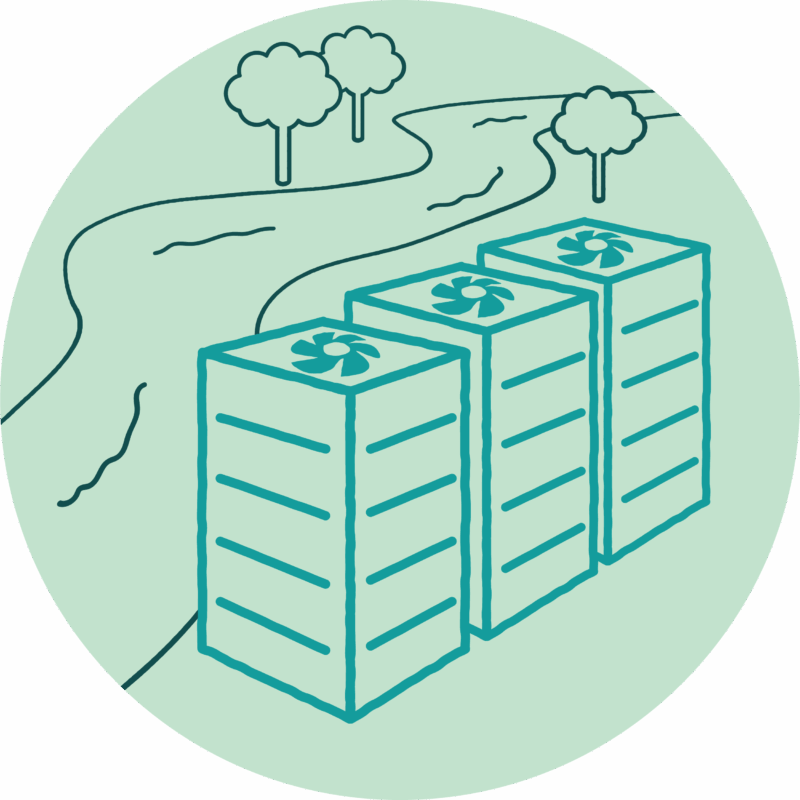
Data center growth in Washington poses a rapidly growing challenge. These huge facilities have the potential to impact our climate and clean energy goals, energy affordability and reliability, the environment, and communities.  Yet, the right protections and incentives could hold data centers to a high standard, one that centers communities and the environment while also fostering innovative solutions. To address this challenge and this opportunity, the Legislature should  focus on a package of data center-focused policies that will protect and further our state’s climate and clean energy laws and goals; protect ratepayers from financial and reliability impacts; minimize impacts to communities and natural resources including air, water, and salmon; and maximize benefits to communities.

Bottles and Cans Recycling Refund Act

Beverage containers, a large component of our state’s waste, litter Washington’s freeways, our waterways, and our public spaces.  Only 30% of beverage containers are currently recycled in the state. The Recycling Refund Act will reduce litter and increase recycling rates in Washington by incentivizing recycling and pulling beverage containers into a clean recycling stream separated from other materials. Consumers would pay a 10-cent deposit on most beverage containers and be refunded that 10 cents back when they bring containers to convenient drop-off locations to be recycled or reused. 


Bills to watch

Want to stay up to date on policy in progress? WCA helps develop the Environmental Community Hot List for the State House and Senate—the 10 most important environmental bills being debated that week.


2026 EPC Press Briefing

Watch the EPC press briefing held on the first day of session, January 12, 2026. Hear from lead organization representatives about what each EPC Priority entails and what we aim to achieve this session.

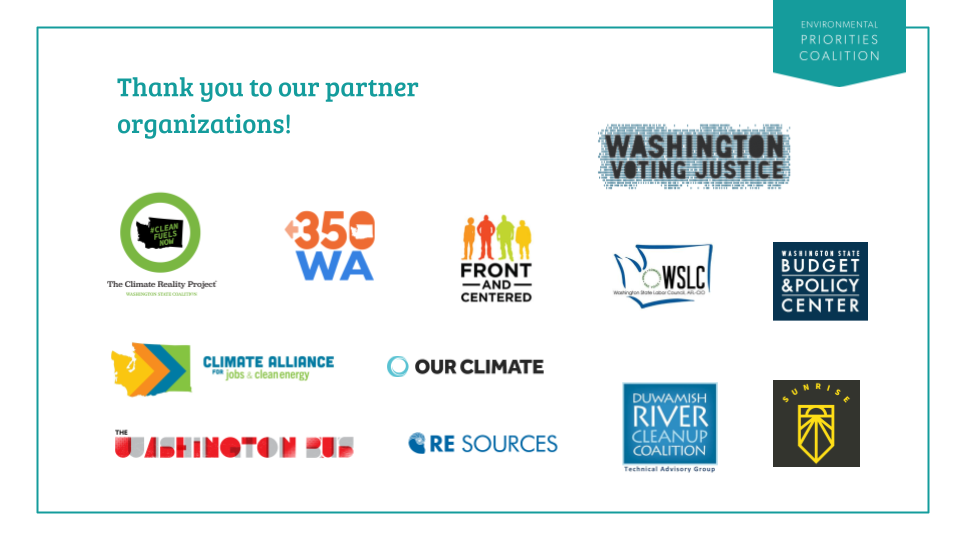
Washington’s Environmental Priorities Coalition Members

Past Reports

Past Priorities Report

Visit article

Past Priorities Report Executive Summary

Visit article

Processing...
Thank you! Your subscription has been confirmed. You'll hear from us soon.
Environmental Priorities Coalition
Sign up to receive weekly Environmental Priorities Coalition action digests! Get alerts when there are critical hearings, key votes, and ways to engage.
ErrorHere